Introduction
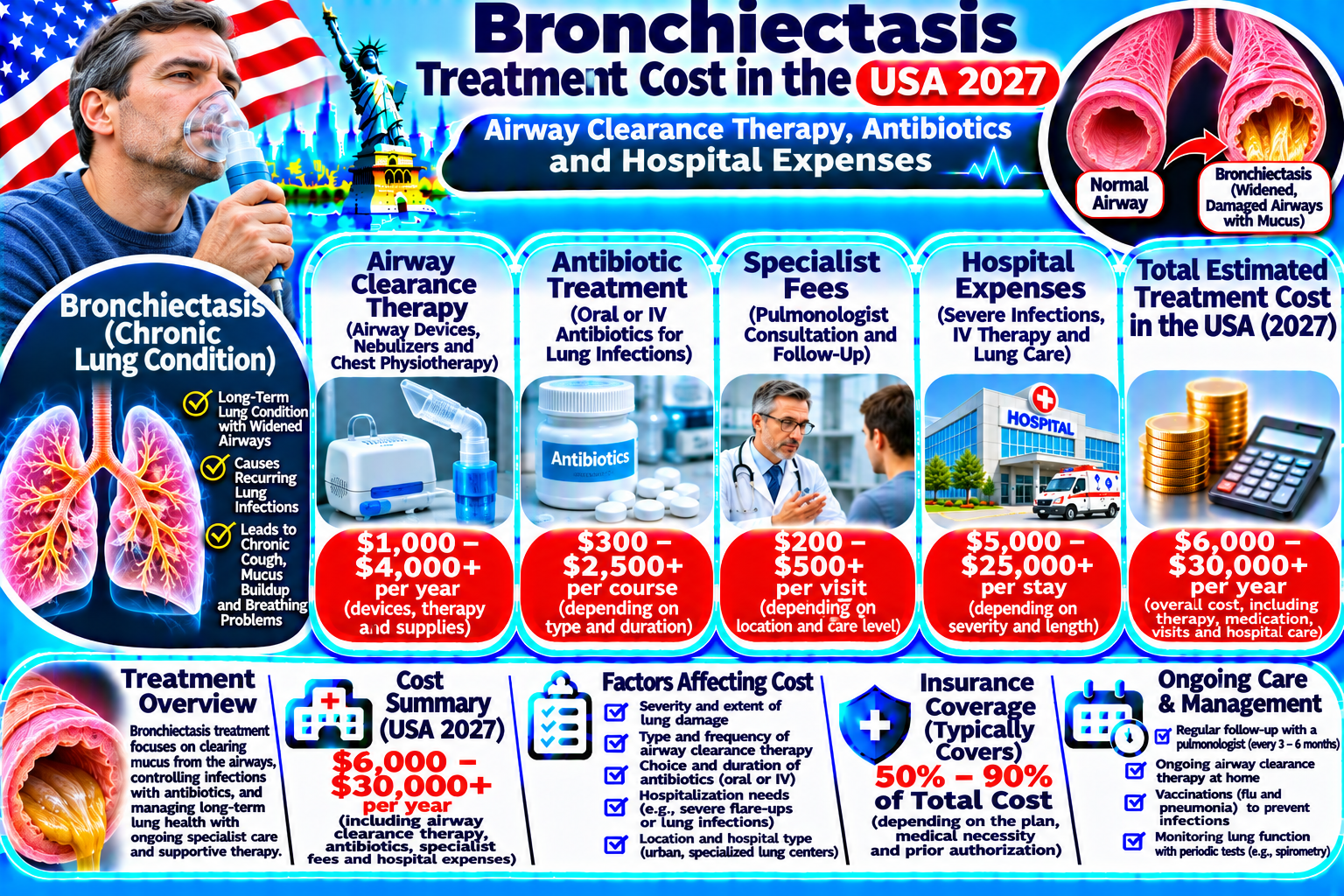
Bronchiectasis treatment cost in the USA in 2027 is an important financial consideration for patients living with chronic respiratory infections, persistent coughing, excessive mucus production, and progressive airway damage. Bronchiectasis is a long-term lung condition characterized by permanent widening and structural damage to the bronchial airways.
Damaged airways make it difficult for the lungs to remove mucus effectively, increasing susceptibility to bacterial infections, inflammation, and respiratory complications. Without appropriate treatment, patients may experience declining lung function, frequent hospital admissions, and reduced quality of life.
Modern bronchiectasis management includes airway clearance therapy, antibiotics, nebulized medications, pulmonary rehabilitation, and specialized respiratory care. Patients with advanced disease may also require supplemental oxygen, intravenous medications, or hospital-based treatment.
Healthcare expenses vary considerably depending on disease severity, medication selection, respiratory equipment requirements, specialist fees, and insurance coverage.
This comprehensive guide explains estimated bronchiectasis treatment costs in 2027, including diagnostic examinations, airway clearance devices, antibiotic therapy, hospitalization, insurance benefits, and long-term respiratory management expenses throughout the United States.
What Is Bronchiectasis?
Bronchiectasis develops when the walls of the bronchial airways become permanently damaged and enlarged. These structural changes interfere with the natural mechanisms responsible for removing mucus and infectious organisms from the respiratory system.
The condition may develop following severe respiratory infections, immune system disorders, autoimmune diseases, genetic conditions, or other underlying medical problems. In some patients, the exact cause remains unidentified despite extensive medical assessment.
Common symptoms associated with bronchiectasis include:
- Persistent coughing with mucus production.
- Frequent bacterial respiratory infections.
- Shortness of breath during physical activities.
- Wheezing and chest discomfort.
- Persistent fatigue and reduced exercise tolerance.
- Occasional coughing up of blood.
- Recurrent respiratory symptoms requiring antibiotics.
- Unintentional weight loss in advanced cases.
Bronchiectasis is generally a chronic condition that requires ongoing management. Appropriate medical treatment can help control symptoms, reduce infection frequency, and preserve respiratory function, although established structural airway damage is usually irreversible.
Bronchiectasis Treatment Cost in the USA 2027
Annual bronchiectasis treatment expenses can range from relatively modest outpatient management costs to substantial expenditures associated with repeated hospitalizations and specialized medication requirements.
The following table provides illustrative 2027 financial planning estimates for bronchiectasis diagnosis, respiratory treatment, medication, and hospital services in the United States.
| Treatment Category | Country | Estimated Cost |
|---|---|---|
| Initial Physician Consultation | USA | $100–$350 |
| Pulmonologist Consultation | USA | $200–$600 |
| Chest X-Ray | USA | $100–$350 |
| High-Resolution Chest CT Scan | USA | $400–$2,500+ |
| Pulmonary Function Testing | USA | $150–$600 |
| Sputum Culture Testing | USA | $50–$300+ |
| Blood and Immune System Tests | USA | $100–$600+ |
| Oral Antibiotic Treatment Course | USA | $15–$300+ |
| Inhaled Antibiotics Per Month | USA | $1,000–$6,000+ |
| Airway Clearance Therapy Session | USA | $75–$250 |
| Home Nebulizer Equipment | USA | $40–$300 |
| Portable Airway Clearance Device | USA | $50–$200 |
| High-Frequency Chest Therapy Vest | USA | $8,000–$20,000+ |
| Pulmonary Rehabilitation Program | USA | $1,500–$5,000+ |
| Respiratory Hospitalization | USA | $15,000–$60,000+ |
These estimates are hypothetical budgeting ranges rather than confirmed national averages for 2027. Actual expenses may differ substantially according to medical requirements, insurance negotiations, medication discounts, and healthcare facility pricing.
Published Research on Bronchiectasis Healthcare Costs
A 2024 study published in the Journal of Managed Care and Specialty Pharmacy examined healthcare utilization and expenses among 92,529 Medicare beneficiaries with bronchiectasis and an equally sized matched comparison group.
The research identified increasing healthcare expenses among patients experiencing more respiratory exacerbations.
| Patient Category | Reported Mean Healthcare Costs |
|---|---|
| Matched Patients Without Bronchiectasis | $6,704 |
| Patients With Bronchiectasis | $10,224 |
| Patients With No Baseline Exacerbations | $8,506 |
| Patients With One Baseline Exacerbation | $10,365 |
| Patients With Two or More Baseline Exacerbations | $14,790 |
These historical research figures represent healthcare expenditures within a specific Medicare population rather than individual out-of-pocket expenses or projected 2027 prices.
Diagnostic Tests for Bronchiectasis
High-Resolution Computed Tomography
High-resolution chest CT examinations are important for confirming bronchiectasis and evaluating the extent of structural airway abnormalities. Imaging costs depend on facility charges, radiologist fees, and insurance arrangements.
Pulmonary Function Testing
Pulmonary function examinations evaluate airflow, respiratory capacity, and other aspects of lung performance. These measurements help healthcare professionals monitor respiratory impairment and treatment progress.
Sputum Culture and Microbiology Tests
Sputum samples help identify bacterial organisms associated with respiratory infections. Specialized cultures may also investigate fungal organisms or nontuberculous mycobacteria when clinically indicated.
Blood and Immune System Examinations
Blood tests may help identify immune deficiencies, inflammatory conditions, and other underlying causes of bronchiectasis. Additional laboratory assessments depend on individual medical history and clinical findings.
Bronchoscopy
Selected patients may require bronchoscopy to investigate airway obstruction, obtain respiratory samples, or evaluate unexplained symptoms. This procedure involves additional specialist, facility, and sedation expenses.
Airway Clearance Therapy for Bronchiectasis
Airway clearance therapy is a central component of bronchiectasis management. It helps patients mobilize accumulated respiratory secretions and improve their ability to clear mucus from damaged airways.
The 2026 American College of Chest Physicians clinical guideline supports individualized airway clearance approaches, including breathing techniques, oscillatory pressure devices, nebulized hypertonic saline, and chest wall oscillation therapy.
1. Respiratory Physiotherapy
Respiratory physiotherapists teach patients specialized breathing and coughing techniques that support mucus removal. Initial supervised appointments may be followed by individualized home treatment routines.
2. Positive Expiratory Pressure Devices
Portable positive expiratory pressure devices provide resistance during exhalation. Oscillating models produce additional vibrations that may help mobilize respiratory secretions.
These devices generally involve lower initial equipment expenses than advanced electronic chest therapy systems.
3. High-Frequency Chest Wall Oscillation
Electronic chest therapy vests deliver controlled mechanical oscillations around the chest. These devices may assist selected patients who require additional help clearing persistent respiratory mucus.
Equipment purchases, insurance authorization, maintenance, and replacement supplies contribute to long-term treatment expenses.
4. Nebulized Saline Therapy
Nebulized saline may help improve mucus clearance in selected patients. Treatment requires an appropriate nebulizer system, prescribed solutions, regular equipment cleaning, and professional guidance concerning medication tolerance.
Antibiotic Treatment for Bronchiectasis
Antibiotics are commonly prescribed when bacterial respiratory infections cause worsening bronchiectasis symptoms. Medication selection depends on previous microbiology results, infection severity, drug allergies, and clinical assessment.
Oral Antibiotics
Oral antibiotic therapy may be appropriate for selected respiratory exacerbations that can be managed safely outside the hospital. Generic medications can reduce prescription expenses when clinically suitable.
Intravenous Antibiotics
Severe or difficult-to-treat infections may require intravenous antibiotic administration. Treatment may occur in a hospital or through supervised home infusion services when medically appropriate.
Additional expenses can include infusion equipment, nursing services, laboratory monitoring, and medication delivery.
Long-Term Preventive Antibiotics
Some patients experiencing frequent respiratory exacerbations may benefit from specialist-directed preventive antibiotic therapy. Long-term treatment requires careful assessment of medication side effects, antimicrobial resistance, and underlying infections.
Antibiotics should never be started, discontinued, or changed without appropriate medical advice.
Advanced Anti-Inflammatory Treatment Options
Brensocatib became the first FDA-approved medication specifically indicated for non-cystic fibrosis bronchiectasis in patients aged twelve years and older.
This oral treatment targets an inflammatory pathway involved in airway damage and may reduce respiratory exacerbations. It represents an additional treatment option rather than a universal replacement for antibiotics, airway clearance, or established respiratory care.
Patients considering newer specialty medications should obtain individualized pharmacy quotations and investigate insurance authorization requirements, because these treatments may substantially increase annual pharmaceutical expenditures.
Pulmonary Rehabilitation for Bronchiectasis
Pulmonary rehabilitation combines supervised exercise, respiratory education, and individualized physical conditioning. It may benefit patients experiencing breathlessness, reduced exercise tolerance, and difficulty maintaining daily activities.
Program expenses depend on the number of sessions, healthcare facility, insurance coverage, and individual rehabilitation requirements. Appropriate home exercise guidance may also support long-term respiratory management.
Factors Influencing Bronchiectasis Treatment Costs in 2027
Several medical, pharmaceutical, geographical, and financial considerations determine bronchiectasis treatment expenses throughout the United States. Understanding these factors can help patients and families establish realistic long-term healthcare budgets.
1. Severity of Respiratory Disease
Patients with relatively stable bronchiectasis may require periodic specialist appointments, airway clearance therapy, and occasional medications. Advanced disease can require frequent respiratory treatment, specialized equipment, oxygen therapy, and hospital admission.
2. Frequency of Respiratory Exacerbations
Repeated respiratory infections increase antibiotic expenses, diagnostic testing requirements, physician visits, and emergency healthcare utilization. Effective disease management may help reduce these recurring financial responsibilities.
3. Antibiotic Selection and Medication Duration
Generic oral antibiotics are generally less expensive than specialized inhaled or intravenous formulations. Treatment duration, bacterial resistance, insurance formularies, and medication availability influence overall pharmaceutical expenses.
4. Airway Clearance Equipment Requirements
Patients using basic breathing techniques and portable respiratory devices may have relatively modest equipment expenses. Advanced electronic therapy systems can involve substantial purchasing or rental costs.
5. Hospital Facilities and Specialist Fees
Hospital charges differ according to geographical location, respiratory treatment complexity, available medical technology, and insurance reimbursement arrangements. Intensive care and respiratory support can increase expenses significantly.
6. Health Insurance Coverage
Insurance benefits determine patient responsibilities for deductibles, specialist copayments, medication coinsurance, and durable medical equipment. Prior authorization may be required for specialized respiratory treatments.
7. Underlying Medical Conditions
Bronchiectasis associated with immune deficiencies, autoimmune disorders, asthma, or other respiratory conditions may require additional specialist care and medications. Treating underlying causes can create separate healthcare expenses.
8. Home Healthcare Requirements
Patients requiring home oxygen, intravenous antibiotic administration, respiratory nursing support, or assistance with daily activities may experience additional recurring expenses.
Bronchiectasis Medication Costs in the USA 2027
Medication expenses represent an important component of long-term bronchiectasis management. Treatment requirements differ considerably between patients, and not every medication category is appropriate for every individual.
| Medication Category | Estimated Cost | Pricing Period |
|---|---|---|
| Generic Oral Antibiotics | $15–$150 | Per Treatment Course |
| Long-Term Generic Macrolide Therapy | $10–$100 | Monthly |
| Nebulized Saline Solutions | $20–$100+ | Monthly |
| Selected Bronchodilator Inhalers | $30–$300+ | Monthly |
| Specialized Inhaled Antibiotics | $1,000–$6,000+ | Monthly When Used |
| Home Intravenous Antibiotic Services | $2,000–$12,000+ | Per Treatment Course |
These hypothetical medication estimates exclude unrelated healthcare expenses. Specialty drug pricing may fall substantially outside these ranges. Bronchodilators and other inhaled medications are prescribed according to individual respiratory requirements rather than automatically for all bronchiectasis patients.
Airway Clearance Equipment and Home Therapy Expenses
| Respiratory Equipment | Illustrative 2027 Cost |
|---|---|
| Basic Home Nebulizer | $40–$150 |
| Portable Nebulizer System | $80–$300+ |
| Oscillating Airway Clearance Device | $50–$200 |
| Nebulizer Replacement Supplies | $20–$100 |
| Electronic Chest Therapy Vest | $8,000–$20,000+ |
| Home Oxygen Equipment Per Month | $100–$500+ |
| Respiratory Therapist Home Visit | $100–$300+ |
Some respiratory equipment may qualify for insurance reimbursement or rental arrangements. Patients should confirm whether replacement components, servicing, and necessary supplies are included in equipment quotations.
Bronchiectasis Hospitalization Costs in the USA 2027
Hospital admission may become necessary when respiratory infections cannot be managed safely at home or when patients develop severe breathing difficulties, significant bleeding, or respiratory failure.
Hospital treatment can include respiratory monitoring, diagnostic imaging, intravenous antibiotics, oxygen administration, and specialized medical supervision.
| Hospital Treatment Category | Estimated Cost |
|---|---|
| Emergency Department Assessment | $500–$5,000+ |
| Standard Hospital Stay Per Day | $2,000–$6,000+ |
| Intensive Care Unit Per Day | $3,000–$12,000+ |
| Hospital Respiratory Infection Treatment | $15,000–$40,000+ |
| Severe Bronchiectasis Hospitalization | $30,000–$80,000+ |
| Respiratory Failure Treatment Episode | $50,000–$150,000+ |
| Bronchial Artery Embolization | $10,000–$40,000+ |
Hospitalization expenses may include multiple services within a single billing episode. Individual estimates should not automatically be added together because diagnostic, accommodation, and procedure charges may overlap.
Historical Bronchiectasis Hospital Cost Research
A population-based study published in 2026 examined bronchiectasis-related hospital admissions in the United States using 2022 healthcare data. Researchers identified approximately 99,755 weighted hospitalizations, with a median hospital stay of five days and a reported median cost of $58,582.
These findings highlight the substantial economic burden associated with advanced respiratory complications. However, historical hospital cost measurements do not necessarily represent the final amount paid by insurance companies or individual patients.
Estimated Annual Bronchiectasis Management Expenses
The financial burden of bronchiectasis varies substantially according to disease stability, treatment intensity, medication selection, and hospitalization frequency.
| Disease Management Category | Illustrative Annual Expenses |
|---|---|
| Stable Bronchiectasis With Basic Outpatient Care | $1,500–$5,000+ |
| Moderate Disease With Repeated Outpatient Treatments | $5,000–$15,000+ |
| Advanced Disease With Specialized Respiratory Therapy | $15,000–$40,000+ |
| Severe Disease With Hospital Admissions | $30,000–$100,000+ |
These hypothetical annual scenarios are designed for financial planning. Expensive specialty medications, major procedures, repeated hospitalizations, and advanced respiratory complications may produce substantially higher expenses.
Does Health Insurance Cover Bronchiectasis Treatment?
Many comprehensive health insurance arrangements in the United States cover medically necessary bronchiectasis treatment. Available benefits depend on policy provisions, approved medications, healthcare provider networks, and individual eligibility.
Private Health Insurance
Commercial insurance may cover pulmonologist appointments, diagnostic examinations, hospital admission, antibiotics, and qualifying respiratory equipment. Patients should review prescription formularies and authorization requirements before obtaining expensive treatments.
Medicare Coverage
Medicare Part B may cover eligible physician services, diagnostic examinations, and medically necessary durable medical equipment when applicable coverage requirements are satisfied.
Medicare Part D may cover qualifying outpatient prescription medications, while Part A may cover eligible inpatient hospital services. Patient expenses depend on the type of Medicare coverage and available supplemental benefits.
Medicaid Coverage
Eligible Medicaid beneficiaries may receive respiratory treatment with limited personal expenses. Medication coverage, specialist participation, equipment eligibility, and authorization requirements vary according to state programs.
Example of Bronchiectasis Treatment Expenses With Insurance
Consider a hypothetical patient receiving respiratory treatment and hospitalization with $25,000 in eligible negotiated medical expenses. Assume the individual has a $2,000 remaining deductible, 20% coinsurance, and a $5,000 remaining applicable out-of-pocket maximum.
| Financial Category | Example Amount |
|---|---|
| Eligible Medical Expenses | $25,000 |
| Remaining Deductible | $2,000 |
| Coinsurance Before Applying Spending Limit | $4,600 |
| Patient Payment After Applying Spending Limit | $5,000 |
| Health Insurance Payment | $20,000 |
This example assumes all services are covered, received within the applicable insurance network, and subject to the same annual spending maximum. Insurance premiums and noncovered healthcare expenses are excluded.
Oxygen Therapy and Advanced Respiratory Care
Supplemental oxygen may be recommended for patients with documented low blood oxygen levels who satisfy appropriate clinical requirements. Not every person with bronchiectasis requires oxygen therapy.
Associated expenses may include oxygen concentrator rental, portable equipment, respiratory assessments, replacement tubing, and electricity consumption. Patients should investigate insurance eligibility before purchasing expensive equipment.
In rare cases involving localized disease that remains difficult to control, surgical treatment may be considered. Selected individuals with end-stage respiratory disease may require evaluation for lung transplantation.
Long-Term Bronchiectasis Monitoring Expenses
Bronchiectasis management requires continued assessment even when respiratory symptoms remain stable. Follow-up appointments help evaluate lung function, infection frequency, medication tolerance, and airway clearance effectiveness.
Ongoing financial responsibilities may include:
- Scheduled pulmonologist consultations.
- Repeated respiratory function examinations.
- Sputum microbiology and laboratory monitoring.
- Antibiotic prescription renewals.
- Respiratory equipment maintenance and replacement.
- Appropriate vaccinations and preventive healthcare.
- Transportation to specialist appointments.
- Additional respiratory rehabilitation services.
Patients should also consider indirect expenses associated with missed employment, caregiver assistance, and time required to complete daily respiratory treatments.
Financial Assistance for Bronchiectasis Treatment
Patients experiencing difficulty paying for respiratory healthcare may qualify for financial assistance through government programs, healthcare organizations, pharmaceutical manufacturers, and independent charitable foundations.
- Pharmaceutical patient assistance programs.
- Eligible commercial insurance copayment assistance.
- Medicare Extra Help prescription drug benefits.
- State Medicaid healthcare programs.
- Hospital charity care and financial assistance.
- Independent nonprofit healthcare assistance foundations.
- Community health center services.
- Respiratory equipment rental and payment arrangements.
Eligibility depends on financial circumstances, insurance status, residency, and program-specific requirements. Manufacturer copayment coupons generally cannot be used with federal health insurance programs.
How to Reduce Bronchiectasis Treatment Costs
- Compare written estimates for respiratory diagnostic examinations.
- Confirm insurance coverage for prescribed antibiotics.
- Discuss clinically appropriate generic medication alternatives.
- Use participating pulmonologists and respiratory healthcare facilities.
- Obtain required authorization before purchasing expensive equipment.
- Follow professionally prescribed airway clearance routines.
- Maintain respiratory devices according to manufacturer instructions.
- Attend scheduled medical monitoring appointments.
- Investigate prescription and hospital financial assistance programs.
- Follow recommended vaccination and infection prevention guidance.
Patients should not discontinue prescribed medications or delay necessary medical treatment solely to reduce expenses. Prompt professional assessment of worsening symptoms may help prevent more serious respiratory complications.
When Should Patients Seek Emergency Medical Attention?
Bronchiectasis can occasionally produce serious respiratory complications requiring immediate medical attention. Severe breathing difficulties, significant coughing up of blood, blue lips, confusion, or rapidly worsening respiratory symptoms require urgent assessment.
During a potentially life-threatening emergency in the United States, patients or caregivers should call 911 rather than waiting for a routine specialist appointment.
Frequently Asked Questions
How much does bronchiectasis treatment cost in the USA in 2027?
Illustrative annual expenses range from $1,500 to $5,000 or more for stable outpatient management. Advanced disease involving specialty medications and hospitalization may cost tens of thousands of dollars annually.
How much does airway clearance therapy cost?
Estimated supervised respiratory therapy expenses range from $75 to $250 per session. Home airway clearance equipment may cost between $50 and $20,000 or more, depending on the selected technology.
How much do antibiotics for bronchiectasis cost?
Generic oral antibiotic courses may cost approximately $15 to $300 or more. Specialized inhaled medications and intravenous infusion services can be considerably more expensive.
Can bronchiectasis be completely cured?
Established structural airway damage is generally permanent. Appropriate treatment can help control infections, improve mucus clearance, reduce symptoms, and preserve respiratory function.
Does insurance cover chest therapy vests?
Some insurance plans cover medically necessary chest wall oscillation equipment when specific eligibility and documentation requirements are satisfied. Prior authorization may be required.
Do all bronchiectasis patients require daily antibiotics?
No. Long-term anti
