Introduction
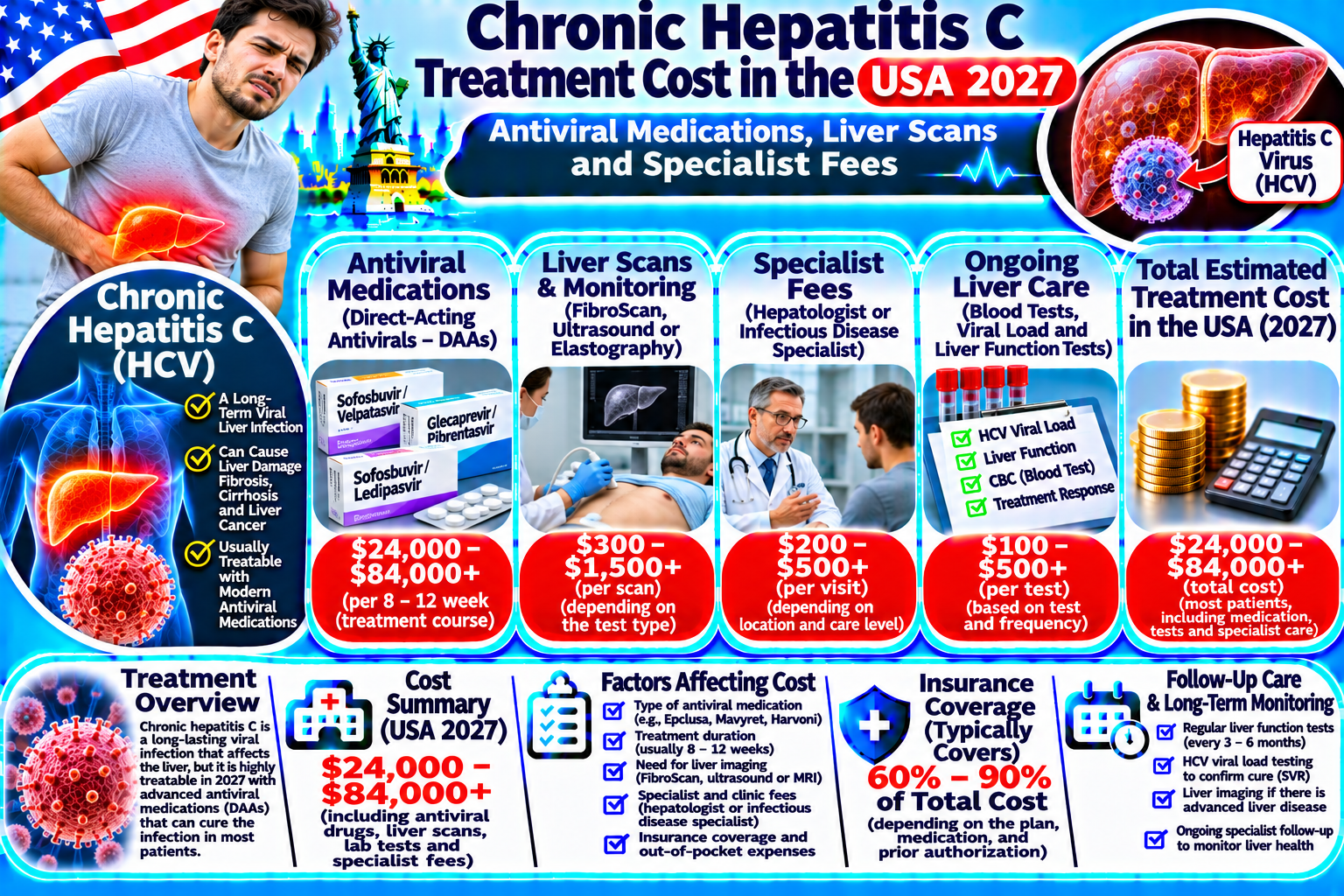
Chronic hepatitis C treatment cost in the USA in 2027 is an important financial consideration for patients requiring antiviral medications, liver examinations, specialist consultations, and ongoing medical monitoring. Hepatitis C is a viral infection that primarily affects the liver and may cause serious health complications when left untreated.
Chronic hepatitis C can gradually damage liver tissue, increasing the risk of fibrosis, cirrhosis, liver failure, and liver cancer. Fortunately, modern direct-acting antiviral medications have significantly improved treatment outcomes.
According to the Centers for Disease Control and Prevention, modern oral antiviral therapies can cure over 95% of hepatitis C infections, with many treatment courses lasting eight to twelve weeks.
Understanding treatment expenses, insurance coverage, medication prices, and diagnostic requirements can help patients prepare financially while obtaining appropriate medical care. This guide examines estimated hepatitis C treatment costs throughout the United States in 2027.
What Is Chronic Hepatitis C?
Chronic hepatitis C develops when the hepatitis C virus remains in the body for an extended period. The infection spreads primarily through exposure to infected blood. Many individuals experience no noticeable symptoms during the early stages of infection.
Possible symptoms associated with hepatitis C include:
- Persistent fatigue and reduced energy levels.
- Abdominal discomfort near the liver.
- Reduced appetite and unexplained weight loss.
- Nausea and digestive discomfort.
- Yellowing of the skin or eyes.
- Joint discomfort and muscle weakness.
- Abdominal or leg swelling in advanced liver disease.
Symptoms alone cannot establish a hepatitis C diagnosis. Medical testing is necessary to confirm active infection and determine whether liver damage has occurred.
Chronic Hepatitis C Treatment Cost in the USA 2027
Hepatitis C treatment expenses depend on medication selection, treatment duration, insurance benefits, liver disease severity, and healthcare provider charges.
An October 2026 CDC publication described the approximate one-time cost of curative antiviral treatment as $25,000. However, actual medication prices and patient expenses can vary considerably.
The following table provides illustrative 2027 financial planning estimates for hepatitis C diagnosis and treatment in the United States.
| Treatment Category | Country | Estimated Cost |
|---|---|---|
| Initial Physician Consultation | USA | $100–$350 |
| Hepatology Specialist Consultation | USA | $200–$600 |
| Hepatitis C Antibody Test | USA | $30–$150 |
| HCV RNA Viral Load Test | USA | $100–$500 |
| Liver Function Blood Tests | USA | $50–$300 |
| Hepatitis C Genotype Testing | USA | $200–$600 |
| Liver Ultrasound | USA | $150–$700 |
| Transient Elastography Liver Scan | USA | $200–$800 |
| Antiviral Medication Course Without Insurance | USA | $22,000–$95,000+ |
| Liver Biopsy When Required | USA | $1,000–$5,000+ |
| Follow-Up Medical Consultation | USA | $100–$350 |
These estimates are not confirmed nationwide 2027 prices. Antiviral medication discounts, negotiated insurance rates, and financial assistance may substantially reduce patient expenses. Not every patient requires every listed examination.
Antiviral Medications for Chronic Hepatitis C
Direct-acting antiviral medications target biological processes that allow the hepatitis C virus to reproduce. Different medication combinations may be prescribed according to liver health, previous treatment history, potential drug interactions, and individual medical circumstances.
1. Eight-Week Antiviral Treatment
Selected patients may qualify for an eight-week oral treatment regimen. Shorter treatment courses can reduce the duration of medication use and associated monitoring expenses.
2. Twelve-Week Antiviral Treatment
Twelve-week regimens are another established treatment option. Broadly effective antiviral combinations can treat multiple hepatitis C genotypes, allowing simplified treatment for many eligible patients.
3. Retreatment for Previous Treatment Failure
Patients who have not achieved a cure after earlier antiviral therapy may require alternative medication combinations. Specialized retreatment can increase pharmaceutical expenses and medical monitoring requirements.
4. Treatment for Advanced Liver Disease
Individuals with advanced cirrhosis may require specialist-directed antiviral treatment and additional clinical supervision. Some antiviral combinations are unsuitable for patients with decompensated liver disease.
Brand-Name vs Generic Antiviral Medication Costs
Medication selection represents the largest financial component of many hepatitis C treatment plans. Historically published American cash-price estimates demonstrate considerable differences between lower-priced generic options and expensive branded medications.
| Medication Category | Illustrative Full-Course Cost |
|---|---|
| Lower-Priced Generic Antiviral Regimens | $22,000–$36,000 |
| Higher-Priced Brand-Name Regimens | $75,000–$95,000+ |
These ranges use historical pricing information as a budgeting reference. Actual 2027 pharmacy quotations may be substantially different. Medication selection should always follow professional medical recommendations rather than price alone.
Diagnostic Tests and Liver Scans
Hepatitis C Antibody and RNA Testing
Antibody testing identifies previous exposure to hepatitis C. RNA testing determines whether an active viral infection is present and is also used to evaluate treatment success.
Liver Function and Fibrosis Assessment
Blood examinations assess liver function and help identify potential complications. Noninvasive fibrosis calculations and elastography can estimate liver scarring without requiring surgical procedures.
Liver Ultrasound and Advanced Imaging
Ultrasound examinations help evaluate liver structure and identify suspicious abnormalities. Patients with advanced liver disease may require additional imaging depending on clinical findings.
Liver Biopsy
Liver biopsy involves collecting a small tissue sample for examination. Modern noninvasive assessments have reduced the need for biopsy, although selected complex cases may still require this procedure.
Specialist Medical Care for Hepatitis C
Hepatologists, gastroenterologists, infectious disease specialists, and appropriately trained primary care professionals can participate in hepatitis C treatment. Patients with uncomplicated infections may qualify for simplified care, while advanced liver disease generally requires more specialized medical management.
Factors Influencing Chronic Hepatitis C Treatment Costs in 2027
Several medical, pharmaceutical, geographical, and financial considerations influence hepatitis C treatment expenses throughout the United States.
1. Antiviral Medication Selection
Different antiviral combinations have different purchasing prices. Generic availability, insurance pharmacy formularies, pharmaceutical discounts, and manufacturer assistance can influence overall treatment affordability.
2. Health Insurance Coverage
Insurance arrangements determine patient responsibilities for prescription deductibles, specialist copayments, diagnostic examinations, and medication coinsurance. Prior authorization may be required before antiviral treatment begins.
3. Liver Disease Severity
Patients with advanced fibrosis, cirrhosis, liver failure, or associated medical complications may require additional examinations, specialist appointments, hospitalization, and long-term monitoring.
4. Treatment Duration
Medication expenses may vary according to the required treatment duration. Previous treatment failure and complex medical circumstances can influence the selection of alternative regimens.
5. Hospital and Specialist Fees
Medical facilities establish different charges for liver scans, diagnostic examinations, consultations, and inpatient treatment. Hospital-based services may cost more than independent outpatient facilities.
6. Existing Medical Conditions
Patients with kidney disease, hepatitis B, HIV, or other medical conditions may require additional laboratory examinations and coordinated medical supervision. Potential medication interactions must also be evaluated.
Hepatitis C Treatment Costs by Disease Severity
The following table illustrates possible financial exposure associated with different stages of chronic hepatitis C and related liver complications.
| Medical Condition or Treatment | Illustrative Cost |
|---|---|
| Initial Diagnostic Assessment | $500–$2,500 |
| Uncomplicated Antiviral Treatment Episode | $23,000–$100,000+ |
| Compensated Cirrhosis Monitoring Per Year | $1,500–$6,000+ |
| Liver Complication Hospitalization Per Admission | $10,000–$50,000+ |
| Liver Cancer Treatment Episode | $50,000–$200,000+ |
| Liver Transplant Treatment Episode | $300,000–$900,000+ |
These hypothetical estimates represent different treatment situations and should not be added together automatically. Most patients receiving successful early antiviral treatment do not require advanced surgical interventions.
Does Health Insurance Cover Hepatitis C Treatment?
Many comprehensive American health insurance arrangements provide coverage for medically necessary hepatitis C treatment. However, individual medication coverage and patient financial responsibilities vary between policies.
Private Health Insurance
Private insurance may cover approved antiviral prescriptions, specialist appointments, liver scans, and laboratory examinations. Patients should verify preferred medications, specialty pharmacy requirements, and authorization procedures.
Medicare Coverage
Medicare Part D prescription drug plans may cover eligible oral hepatitis C medications. Annual spending protections for covered prescriptions can substantially reduce financial exposure. Diagnostic examinations and physician services may fall under separate Medicare benefits.
Medicaid Coverage
Eligible Medicaid beneficiaries may receive hepatitis C treatment with limited personal expenses. Approved medications, authorization requirements, and available healthcare providers depend on state program arrangements.
Example of Hepatitis C Treatment Expenses With Insurance
Consider a hypothetical patient receiving an approved antiviral treatment course and associated diagnostic services costing $30,000 under negotiated insurance rates.
Assume the patient has a $1,500 remaining deductible, 20% coinsurance, and a $4,000 remaining applicable out-of-pocket maximum.
| Financial Category | Example Amount |
|---|---|
| Eligible Treatment Expenses | $30,000 |
| Remaining Deductible | $1,500 |
| Coinsurance Before Spending Limit | $5,700 |
| Patient Payment After Applying Spending Limit | $4,000 |
| Health Insurance Payment | $26,000 |
This calculation assumes all treatments are covered, received within the applicable network, and subject to the same spending maximum. Insurance premiums and noncovered services are excluded.
Hepatitis C Treatment and Recovery Timeline
Before Antiviral Treatment
Patients undergo infection confirmation, liver disease assessment, medication reviews, and appropriate laboratory examinations. Healthcare professionals may also recommend hepatitis B and HIV testing.
During Antiviral Treatment
Patients take prescribed medications according to individualized medical instructions. Maintaining adherence is important for achieving successful treatment outcomes. Monitoring requirements depend on medical circumstances and the selected regimen.
Twelve Weeks After Completing Treatment
A follow-up HCV RNA blood test is generally performed twelve weeks or later after treatment completion. Undetectable viral RNA at this stage indicates a sustained virologic response, which is considered a cure.
Long-Term Liver Monitoring
Patients with established cirrhosis generally require continued liver cancer surveillance, commonly involving examinations every six months, even after successful antiviral treatment.
Financial Assistance for Hepatitis C Treatment
Patients facing expensive antiviral prescriptions may qualify for financial assistance through several healthcare programs.
- Pharmaceutical manufacturer patient assistance programs.
- Commercial insurance prescription copayment assistance.
- Independent nonprofit healthcare assistance foundations.
- State Medicaid healthcare programs.
- Medicare Extra Help prescription drug assistance.
- Community health centers and hospital financial assistance.
- Veterans healthcare benefits for eligible individuals.
Eligibility depends on income, insurance status, residency, and program requirements. Manufacturer copayment coupons generally cannot be used with federal health insurance programs such as Medicare and Medicaid.
Long-Term Financial Benefits of Early Hepatitis C Treatment
Although antiviral medications can be expensive, successful treatment may prevent substantial future healthcare expenses associated with progressive liver damage.
A CDC-supported study published in 2026 estimated that antiviral treatment could reduce lifetime medical expenses by approximately $65,841 per treated person, expressed in 2022 US dollars.
This finding represents modeled healthcare system savings rather than guaranteed personal savings. Nevertheless, it demonstrates the potential economic value of expanding timely access to curative hepatitis C treatment.
How to Reduce Hepatitis C Treatment Costs
- Compare written diagnostic and specialist quotations.
- Confirm insurance coverage before purchasing antiviral medications.
- Discuss medically appropriate generic alternatives with healthcare professionals.
- Use participating specialty pharmacies.
- Complete required insurance authorization procedures.
- Investigate available prescription assistance programs.
- Request itemized estimates for liver scans and laboratory tests.
- Attend recommended follow-up appointments.
- Complete the prescribed antiviral treatment course.
Patients should not discontinue treatment or purchase unverified medications to reduce expenses. Healthcare professionals can help identify appropriate and affordable treatment alternatives.
Frequently Asked Questions
How much does hepatitis C treatment cost in the USA in 2027?
Illustrative uninsured antiviral medication expenses range from $22,000 to $95,000 or more. Insurance coverage and financial assistance may considerably reduce personal costs.
Can chronic hepatitis C be completely cured?
Yes. Contemporary antiviral therapies achieve cure rates exceeding 95% in many patient populations. Treatment success must be confirmed through appropriate laboratory testing.
How long does hepatitis C treatment take?
Many patients complete antiviral treatment within eight to twelve weeks. Complex cases may require different treatment durations.
Can hepatitis C return after successful treatment?
Successful treatment does not provide immunity against future hepatitis C infection. Reinfection can occur following additional exposure to infected blood.
Is liver transplantation necessary for hepatitis C?
Most patients do not require liver transplantation. It may be considered for selected individuals experiencing advanced liver failure or qualifying liver cancer.
Conclusion
Chronic hepatitis C treatment cost in the USA in 2027 depends on antiviral medication prices, liver scans, specialist fees, insurance benefits, and disease severity.
Early diagnosis and appropriate antiviral treatment can improve long-term health outcomes while reducing the risk of expensive liver complications. Comparing insurance benefits, investigating financial assistance, and following professional medical recommendations can help patients obtain effective and affordable treatment.
Disclaimer: All projected 2027 treatment expenses are illustrative financial planning estimates rather than confirmed nationwide prices. Medical decisions should be made with qualified healthcare professionals.
Information Sources: CDC Clinical Care of Hepatitis C, November 2026; CDC Hepatitis C Treatment Cost Savings Research, October 2026; AASLD-IDSA Hepatitis C Treatment Guidance, May 2026; and GoodRx Hepatitis C Treatment Pricing Analysis, June 2024.
